

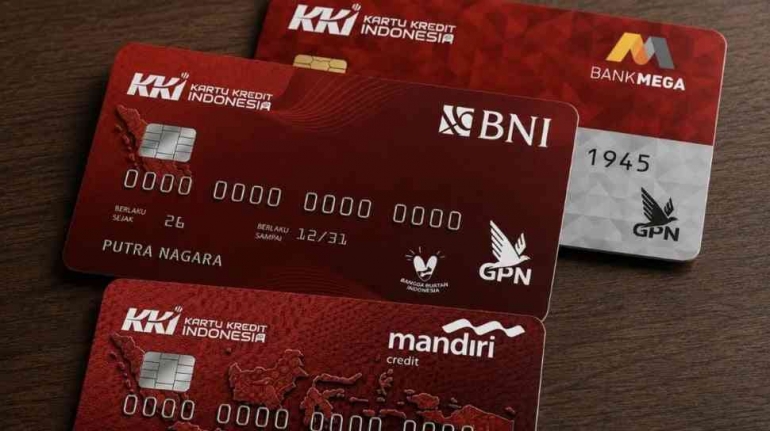
Source: suara.com
Imagine paying for a meal, buying a ticket, or shopping with a credit card. From the user’s perspective, the process looks simple: the card is used, the transaction goes through, and the bill is paid later. Behind that single transaction, however, lies a much more complex infrastructure. There is the issuing bank, payment service providers, merchants, processing networks, and the settlement process that completes the transaction. In the digital economy, the question is therefore not only how people make payments, but also whose infrastructure processes those transactions.This question provides an important context for the development of the Indonesia Credit Card (Kartu Kredit Indonesia/KKI).
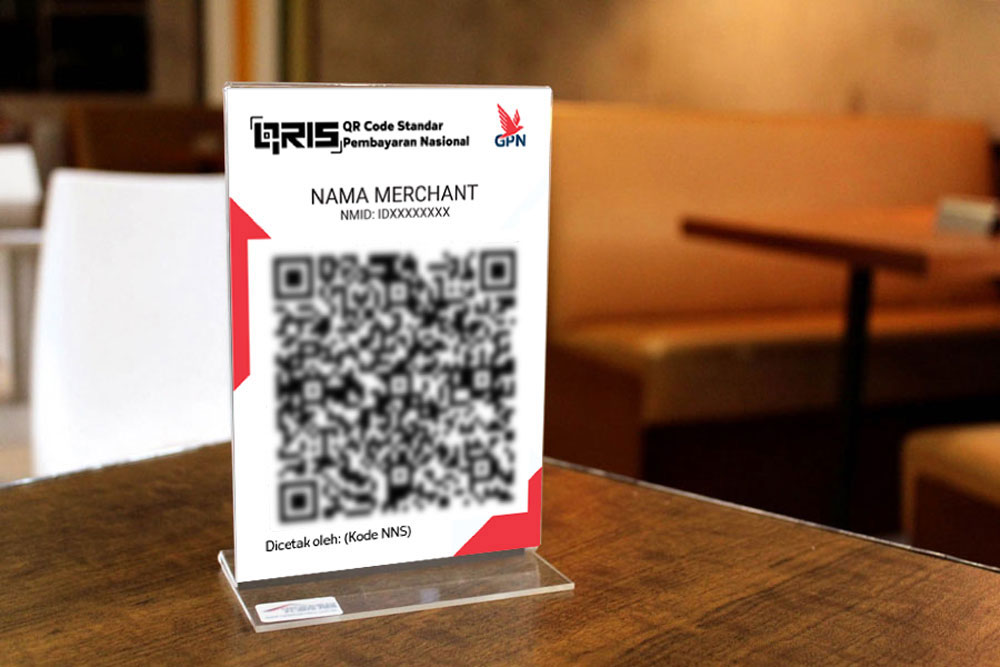
On August 17, 2026, coinciding with the 81st anniversary of Indonesia’s Independence Day, Bank Indonesia and the Indonesian Payment Systems Association (ASPI) launched the Indonesia Credit Card for the public. KKI is a payment instrument that provides a credit facility, with transactions processed domestically. For the retail segment, KKI can be used as a source of funds for transactions through QRIS, either by scanning a QR code or using QRIS Tap.
Indonesia’s Credit Card Is More Than Just a New Credit Card
In simple terms, a credit card provides a deferred payment facility. Users can make transactions first and pay later according to the terms and conditions set by the card issuer. The same basic mechanism applies to KKI. The difference lies in the infrastructure used to process the transactions. Bank Indonesia explains that KKI is a payment instrument with a credit facility whose transactions are processed domestically through the National Payment Gateway (Gerbang Pembayaran Nasional/GPN).
Therefore, the development of KKI is not merely about introducing another payment product for consumers. It is also connected to the development of Indonesia’s national payment system infrastructure. This is what makes KKI particularly interesting from an economic perspective. As payment transactions become increasingly important in the digital economy, payment infrastructure itself becomes part of the economic infrastructure.
Why Should Transactions Be Processed Domestically?
In a digital economy, a transaction generates more than just the movement of money. It also generates data. When someone uses a digital payment instrument, information is generated about the transaction amount, time, merchant, and other details that form part of the payment ecosystem. The ability to process transactions through domestic infrastructure therefore has strategic significance.
Bank Indonesia and the payment system industry describe KKI as part of efforts to strengthen national economic independence, transaction efficiency, and an inclusive digital economy and financial ecosystem. For the government segment, KKI is also being developed to support the sovereignty of government transaction data and improve processing cost efficiency.
In other words, the discussion surrounding KKI goes beyond the question:
“Will people use this credit card?”
It leads to a much broader question:
“Who controls the infrastructure that enables digital economic transactions to take place?”
From Digital Payments to an Economic Ecosystem
Source: qris.interactive.co.id
KKI is being introduced at a time when digital payments in Indonesia have expanded rapidly. As of June 2026, QRIS had reached 65.77 million users and 44.86 million merchants. Interestingly, 96.68% of these merchants were micro, small, and medium-sized enterprises (MSMEs). During the first half of 2026, QRIS recorded 12.55 billion transactions with a total value of Rp1.12 quadrillion.
These figures show that digital payments are no longer simply a technology used by certain groups of society. They have become part of everyday economic activity and now reach businesses on a broad scale. In this context, the integration of KKI with QRIS creates an interesting economic possibility. Consumers gain an additional source of funds through a credit facility, while merchants can accept transactions through an increasingly extensive digital payment ecosystem. KKI can therefore be viewed as part of the integration between credit and digital payments.
What Does It Mean for Businesses?
For consumers, the benefit of KKI may appear straightforward: transactions can be made today and paid for later. But its potential impact on the broader economy can be viewed from a wider perspective. As payment instruments become easier to use, economic transactions may become more efficient. For businesses, particularly MSMEs that are already part of the QRIS ecosystem, a wider range of payment options may help expand their access to consumers.
At the same time, the expansion of digital transactions generates more structured transaction records. Over the long term, this development can become part of a more integrated digital economic ecosystem. But payment technology is not an end in itself. Its economic benefits ultimately depend on how society, businesses, financial institutions, and regulators use and develop the ecosystem.
Digitalization Also Requires Financial Literacy
This is where another important aspect of KKI comes into play. Credit facilities provide convenience, but that convenience also means having a payment obligation in the future. A credit card is not additional income. It is a financing facility that needs to be managed carefully.
Bank Indonesia defines a credit card as a payment instrument that allows the cardholder’s obligations to be paid later, either in full or in installments. Therefore, as access to payment and credit facilities becomes easier, financial literacy becomes increasingly important. Users need to understand their ability to repay, as well as fees, interest rates, payment due dates, and the consequences of failing to meet their obligations properly.
Digitalization without financial literacy can create new problems. On the other hand, digitalization accompanied by financial literacy can help people make more rational economic decisions. The Financial Services Authority (OJK) also considers an understanding of the benefits, risks, costs, rights, and obligations associated with financial products to be an important part of financial education.
From Credit Cards to Digital Economic Independence
The emergence of KKI demonstrates that payment systems are becoming an increasingly important part of the economy. In the past, discussions about economic development were more commonly associated with roads, ports, electricity, industry, and telecommunications networks. Today, digital payment infrastructure has also become part of the economic infrastructure that determines how transactions take place.
In this context, KKI can be viewed not simply as a new payment product, but as part of an effort to build a domestic payment ecosystem. Since its launch on August 17, 2026, KKI has shown an encouraging initial response. During its first two weeks, approximately 38,800 transactions worth Rp18.7 billion were recorded from 7,949 active users.
These figures are certainly not sufficient to assess the long-term success of KKI. The next challenges will be to increase acceptance, expand usage, ensure security, protect consumers, and ensure that the innovation generates tangible benefits for the economy. Ultimately, the biggest question surrounding KKI is not simply how many cards are issued.
The real question is:
Can Indonesia build a digital payment ecosystem that is efficient, inclusive, secure, and increasingly independent?
If the answer is yes, then the Indonesia Credit Card is not merely about a card. It is part of Indonesia’s broader journey toward building its own digital economic infrastructure.